
Carcass in Kitchen Furniture | Modular Kitchen Cabinet Carcass Guide
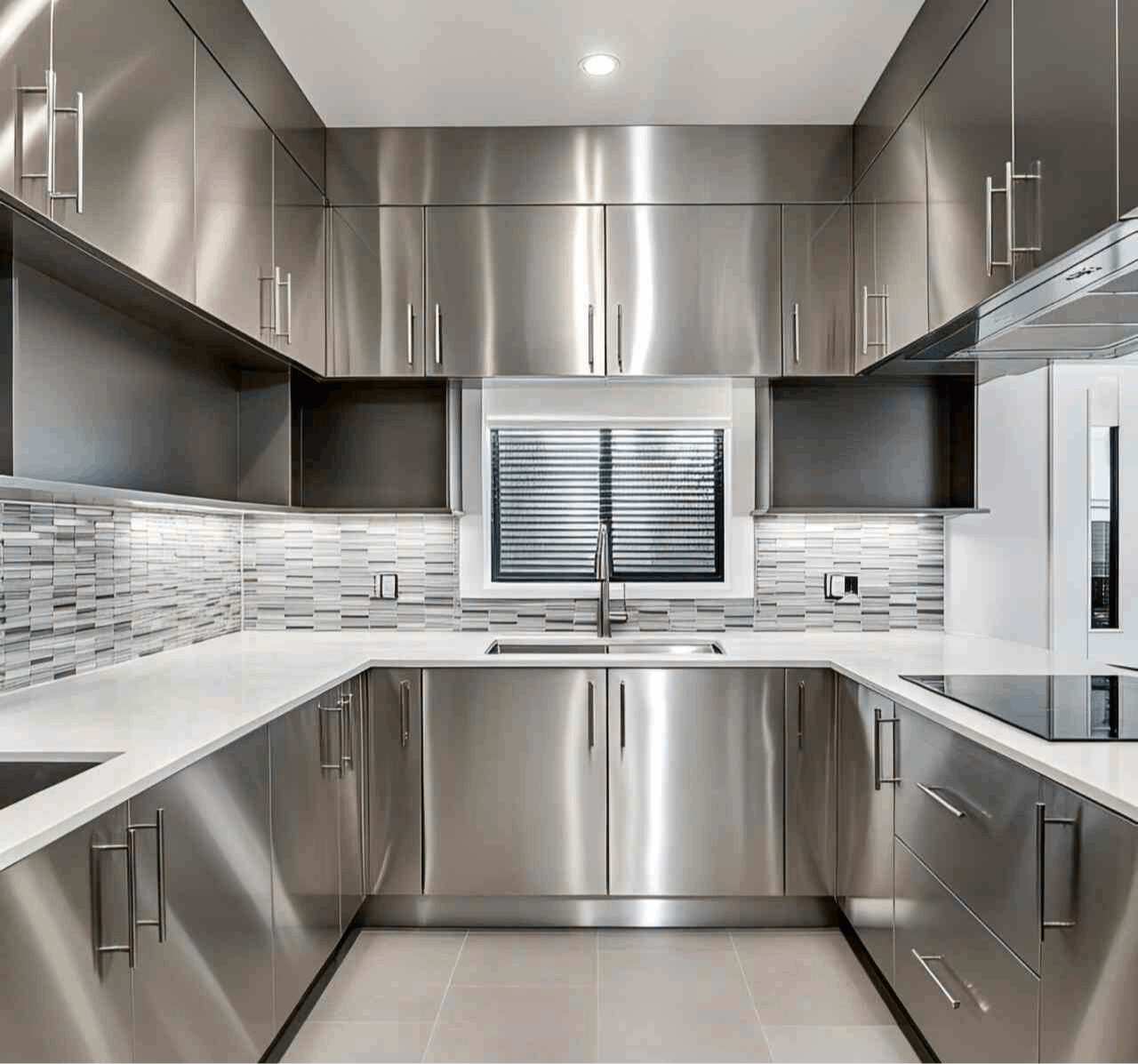
When planning a modern modular kitchen, most homeowners focus on shutters, colors, and finishes. However, the carcass in kitchen furniture is one of the most important structural components of the entire kitchen. The carcass forms the backbone of kitchen cabinets and determines the durability, strength, and lifespan of the furniture.
In modular kitchen design, the carcass acts as the internal framework that supports shelves, drawers, shutters, and kitchen accessories. Whether the cabinets are made from stainless steel, plywood, or other materials, the carcass is responsible for maintaining the cabinet’s structure and functionality.
Understanding the importance of carcass in kitchen furniture can help homeowners choose stronger, longer-lasting kitchen cabinets.
Carcass in Kitchen Furniture | Modular Kitchen Cabinet Carcass Guide
What Is Carcass in Kitchen Furniture?
The carcass in kitchen furniture refers to the internal structural body of a cabinet before shutters, handles, and external finishes are installed. It includes the sides, bottom, back panel, and internal partitions that form the main cabinet box.
In simple terms, the carcass is the skeleton of the kitchen cabinet that holds everything together.
A typical kitchen cabinet carcass includes:
-
Side panels
-
Bottom panel
-
Top support panel
-
Back panel
-
Internal shelves
-
Partition panels
Once the carcass structure is installed, additional components such as shutters, drawers, and handles are added to complete the kitchen furniture.
Why Carcass Is Important in Kitchen Furniture
The strength and quality of the carcass determine how long the kitchen cabinets will last.
Key reasons why carcass design is important include:
1. Structural Strength
The carcass supports the entire cabinet system including shelves, drawers, and heavy kitchen utensils. A strong carcass ensures the cabinet does not sag or bend over time.
2. Durability
The material used for the carcass determines the durability of the cabinet. High-quality carcasses can last for decades with minimal maintenance.
3. Load-Bearing Capacity
Kitchen cabinets store heavy utensils, cookware, and appliances. A well-designed carcass can support significant weight without structural damage.
4. Stability
The carcass keeps the cabinet aligned and stable even after years of daily usage.
5. Foundation for Kitchen Design
The carcass acts as the base on which the entire modular kitchen design is built.
Types of Carcass Materials Used in Kitchen Furniture
Different materials are used to manufacture kitchen cabinet carcasses. Each material has its own advantages and limitations.
Stainless Steel Carcass

Advantages of stainless steel carcasses include:
-
100% termite proof
-
Resistant to moisture and humidity
-
Extremely durable
-
Hygienic and easy to clean
-
Long lifespan (20–30 years)
Because of these benefits, stainless steel carcasses are widely used in both residential and commercial kitchens.
Plywood Carcass
Plywood is one of the most commonly used materials in traditional modular kitchens.
Benefits include:
-
Strong and lightweight
-
Good screw holding capacity
-
Relatively affordable
However, plywood carcasses may still face issues such as termite attacks or moisture damage over time.
MDF Carcass
Medium Density Fiberboard (MDF) is used in budget kitchen furniture.
Advantages:
-
Smooth surface finish
-
Cost-effective material
Disadvantages:
-
Low moisture resistance
-
Not suitable for heavy loads
-
Shorter lifespan compared to plywood or stainless steel
Particle Board Carcass
Particle board is often used in low-cost modular kitchens.
Limitations include:
-
Low durability
-
Vulnerable to water damage
-
Weak load-bearing capacity
Because of these issues, particle board carcasses are usually avoided in premium kitchen designs.
Types of Carcass Used in Modular Kitchens
Modular kitchens consist of different cabinet types, each with its own carcass structure.
Base Cabinet Carcass
Base cabinets are installed below the kitchen countertop.
Key features:
-
Designed to hold heavy utensils and appliances
-
Supports the kitchen countertop
-
Includes drawers and storage units
Base cabinet carcasses must be extremely strong because they carry the most weight.
Wall Cabinet Carcass
Wall cabinets are installed above the countertop to provide additional storage.
Benefits include:
-
Efficient use of vertical space
-
Storage for lightweight kitchen items
-
Easy access to daily-use utensils
Wall cabinet carcasses are typically lighter than base cabinets but still require strong structural design.
Tall Unit Carcass
Tall cabinets extend from floor to ceiling and provide large storage capacity.
Common uses include:
-
Pantry storage
-
Oven cabinets
-
Microwave cabinets
-
Grocery storage units
Tall carcasses must be designed carefully to ensure stability.
Stainless Steel Carcass vs Wooden Carcass
Many homeowners are now comparing stainless steel carcasses with wooden carcasses when designing their kitchen furniture.
Stainless Steel Carcass
-
Termite proof
-
Water resistant
-
Highly durable
-
Hygienic surface
-
Long lifespan
Wooden Carcass
-
Vulnerable to termites
-
Can swell due to moisture exposure
-
Requires maintenance
-
Shorter lifespan
Because of these advantages, stainless steel carcasses are becoming a preferred choice for modern kitchens.
Features of High-Quality Kitchen Carcass
A good kitchen carcass should have several important features.
Precision Manufacturing
Accurate fabrication ensures perfect alignment of cabinets and smooth installation.
Strong Joinery
Proper welding, screws, or mechanical joints provide structural strength.
Moisture Resistance
Kitchen environments often expose cabinets to water, so carcass materials must resist moisture damage.
Proper Ventilation
Well-designed carcasses allow airflow, preventing moisture buildup.
Compatibility with Modular Hardware
Modern kitchens use accessories such as:
-
Soft-close drawers
-
Tandem box systems
-
Pull-out baskets
-
Corner storage units
The carcass must support these accessories efficiently.
Advantages of Stainless Steel Carcass in Kitchen Furniture
Stainless steel carcasses provide several long-term benefits.
Long-Term Durability
Stainless steel cabinets can last decades without structural damage.
Hygiene and Food Safety
Stainless steel surfaces prevent bacterial growth, making them ideal for kitchens.
Fire Resistance
Unlike wood, stainless steel does not burn or deform under high temperatures.
Eco-Friendly Material
Stainless steel is 100% recyclable, making it an environmentally responsible choice.
Modern Appearance
Stainless steel kitchens offer sleek and contemporary designs that suit modern interiors.
Why Carcass Quality Matters in Modular Kitchens
Many kitchen failures occur because of poor carcass quality.
Common problems caused by weak carcasses include:
-
Cabinet sagging
-
Drawer misalignment
-
Structural cracks
-
Moisture damage
-
Reduced cabinet lifespan
Investing in high-quality carcass materials ensures that the kitchen remains functional and durable for many years.
Why Choose Karvi Interio Kitchen Carcass Solutions
When designing modular kitchens, selecting a reliable manufacturer is essential.
Karvi Interio specializes in high-quality stainless steel modular kitchen carcasses designed for long-term durability and modern kitchen functionality.
Advantages of choosing Karvi Interio include:
-
Premium SS 304 stainless steel carcasses
-
Custom modular kitchen designs
-
Advanced storage accessories
-
Professional installation services
-
Durable kitchen furniture solutions
Karvi Interio focuses on building kitchen furniture structures that combine strength, design, and efficiency.
Conclusion
The carcass in kitchen furniture is the most critical structural component of modular kitchen cabinets. It forms the backbone of the entire kitchen system and supports all storage elements, drawers, and shutters.
Choosing a strong and durable carcass material is essential for ensuring long-lasting kitchen furniture. Among the available options, stainless steel carcasses offer the best durability, hygiene, moisture resistance, and termite protection.
As modern homeowners prioritize durability and low maintenance, stainless steel modular kitchens are becoming increasingly popular.
By investing in high-quality kitchen carcass systems from trusted manufacturers like Karvi Interio, homeowners can ensure a kitchen that remains strong, functional, and visually appealing for many years.