
Why Architects Prefer Stainless Steel Kitchen Carcass
Structural Intelligence Behind Modern Modular Kitchens
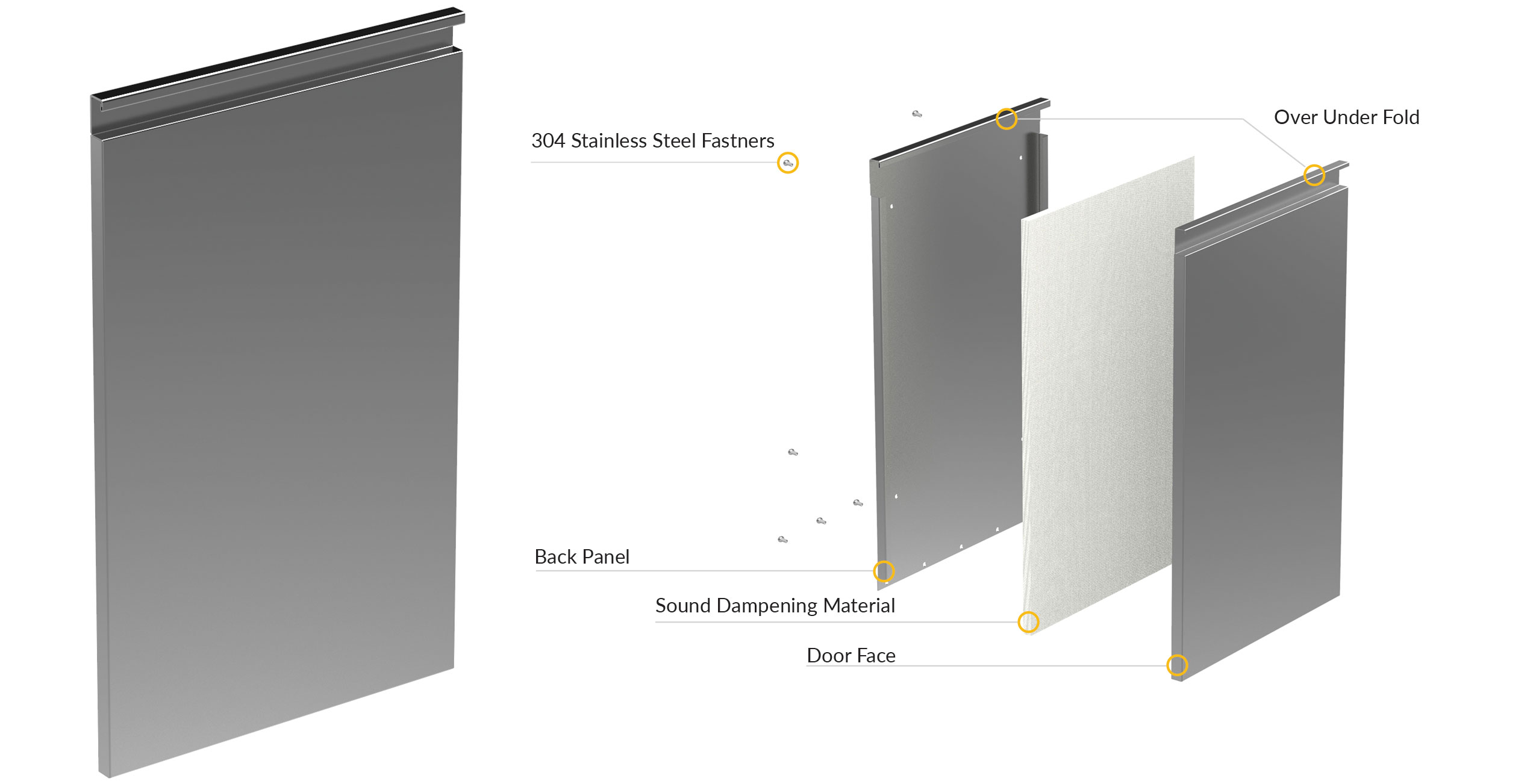 In contemporary residential design, architects are increasingly specifying stainless steel kitchen carcass systems instead of traditional plywood or MDF structures. While homeowners often focus on shutters, finishes, and countertops, architects prioritize what truly determines longevity — the internal structure.
The kitchen carcass is the backbone of the cabinet. It supports countertops, shutters, hardware, drawers, and appliances. If the carcass fails, the entire kitchen system deteriorates.
This article explains in detail why architects prefer stainless steel kitchen carcass, and how it delivers structural strength, safety, hygiene, and long-term value for modern homes.
Why Architects Prefer Stainless Steel Kitchen Carcass
What Is a Stainless Steel Kitchen Carcass?
A stainless steel kitchen carcass is the internal structural framework of modular cabinets fabricated using SS 304 grade stainless steel.
It includes:
-
Side panels
-
Base panels
-
Back panels
-
Shelves
-
Drawer supports
-
Structural reinforcements
Unlike wooden carcasses, stainless steel does not absorb moisture, warp, crack, or host termites. For architects working on premium apartments, villas, and coastal projects, this reliability is critical.
Structural Strength and Load-Bearing Capacity
Stainless steel kitchen carcass offers:
-
High load-bearing capacity
-
Strong support for granite and quartz countertops
-
Resistance to shelf sagging
-
Stable alignment of shutters and drawers
Wooden carcasses, even BWP plywood, gradually weaken under continuous load and humidity. Stainless steel maintains structural integrity for decades.
For island kitchens and heavy storage layouts, this strength advantage becomes essential.
Complete Termite and Pest Resistance
One of the primary reasons architects prefer stainless steel kitchen carcass is zero termite risk.
Plywood, MDF, and particle board are organic materials. Even chemically treated wood remains vulnerable over time.
Stainless steel is non-organic and:
-
100% termite-proof
-
Resistant to borers
-
Immune to rodent damage
-
Does not attract cockroaches
In regions like Bangalore, Chennai, Hyderabad, and other humid Indian cities, termite issues are common. Stainless steel eliminates this risk permanently.
Water and Moisture Resistance
The kitchen is the most moisture-prone area in any home.
Critical zones include:
-
Sink base units
-
Dishwasher cabinets
-
Utility areas
-
Wet kitchens
Wood-based carcasses absorb moisture, leading to:
-
Swelling
-
Delamination
-
Mold growth
-
Structural joint failure
Stainless steel does not absorb water. It does not swell or rot. Even under continuous exposure to moisture, the structure remains intact.
For coastal properties and high-humidity climates, architects strongly favor stainless steel carcass systems.
Fire Safety and Heat Resistance
Modern residential projects increasingly emphasize fire safety compliance.
Wooden cabinets are combustible. Prolonged exposure to heat from:
-
Gas stoves
-
Ovens
-
Chimneys
can weaken internal structure.
Stainless steel carcass offers:
-
Non-combustible properties
-
High heat resistance
-
Dimensional stability under temperature changes
This makes it a safer choice in high-rise apartments and premium residential developments.
Welded Structural Integrity
Many high-end stainless steel kitchens use fully welded carcass construction rather than screw-based assembly.
Advantages include:
-
No joint loosening over time
-
High torsional strength
-
Single integrated frame structure
-
Long-term rigidity
Wooden carcasses rely on screws and adhesives. Over time, vibrations and load stress cause screw holes to loosen.
Architects prefer welded stainless steel carcass systems because they minimize post-installation structural complaints.
Long-Term Dimensional Stability
Wood expands and contracts with humidity and seasonal changes. This leads to:
-
Shutter misalignment
-
Drawer malfunction
-
Structural twisting
Stainless steel maintains dimensional stability regardless of:
-
Climate
-
Humidity levels
-
Seasonal variation
This ensures smooth functioning of hardware and consistent aesthetics over time.
For architects, reducing maintenance calls from clients is a key priority.
Corrosion Resistance with SS 304 Grade
Architects typically specify SS 304 food-grade stainless steel for residential kitchens due to its corrosion resistance.
Benefits include:
-
Rust resistance
-
Resistance to cleaning chemicals
-
Long lifespan
-
Suitability for humid environments
Lower-grade steel may corrode, but properly fabricated SS 304 carcass systems provide decades of performance.
Hygiene and Health Considerations
Post-pandemic residential design increasingly emphasizes hygiene.
Stainless steel surfaces:
-
Do not support fungal growth
-
Do not absorb bacteria
-
Are easy to clean and sanitize
This is why hospitals and commercial kitchens use stainless steel extensively. The same hygienic advantage applies to residential kitchens.
Architects designing premium homes often prioritize such materials.
Sustainability and Environmental Responsibility
Sustainability is now central to architectural decision-making.
Stainless steel carcass systems offer:
-
100% recyclability
-
No deforestation impact
-
Long lifecycle
-
Reduced material replacement
Wood-based kitchens may require replacement within 8–12 years. Stainless steel carcasses can last 20–25+ years.
From a lifecycle cost and environmental perspective, stainless steel is more sustainable.
Reduced Maintenance and Long-Term ROI
Architects think beyond initial installation cost. They evaluate long-term client satisfaction.
Common issues in wooden kitchens:
-
Sink cabinet swelling
-
Termite infestation
-
Joint loosening
-
Structural weakening
Stainless steel kitchen carcass eliminates these problems.
Although the upfront cost may be higher, the lifecycle cost is lower due to:
-
No termite treatment
-
No structural repair
-
No cabinet replacement
This improves property value and client satisfaction.
Stainless Steel vs Wooden Carcass – Architect’s Comparison
| Parameter | Stainless Steel Carcass | Wooden Carcass |
|---|---|---|
| Termite Resistance | 100% | No |
| Water Resistance | Complete | Limited |
| Fire Resistance | Yes | No |
| Structural Strength | High | Moderate |
| Lifespan | 20–25+ Years | 8–12 Years |
| Maintenance | Minimal | Moderate to High |
From an architectural standpoint, stainless steel clearly offers superior structural performance.
Ideal Applications for Stainless Steel Kitchen Carcass
Architects frequently recommend stainless steel carcass for:
-
Luxury villas
-
Premium apartments
-
Coastal homes
-
High-humidity regions
-
Open kitchen concepts
-
Heavy-duty island kitchens
It also supports multiple finishes such as:
-
Powder-coated finish
-
PU paint finish
-
Glass shutters
-
Acrylic panels
The external appearance can vary, but the internal structure remains permanently strong.
Why Stainless Steel Kitchen Carcass Aligns with Modern Architecture
Modern architecture emphasizes:
-
Clean lines
-
Structural honesty
-
Long-term durability
-
Sustainable material selection
-
Low maintenance
Stainless steel kitchen carcass aligns perfectly with these principles.
It provides a concealed yet powerful structural foundation that ensures the kitchen performs as well as it looks.
Conclusion
Architects prefer stainless steel kitchen carcass because it delivers:
-
Superior structural strength
-
Complete termite protection
-
Zero water absorption
-
Fire safety
-
Corrosion resistance
-
Long-term dimensional stability
-
Sustainability
-
Reduced maintenance
While shutters define the kitchen’s aesthetics, the carcass defines its durability.
For homeowners investing in a premium modular kitchen, the choice of carcass determines whether the kitchen lasts 8 years or 25 years.
Karvi Interio engineers precision-fabricated SS 304 stainless steel kitchen carcass systems designed for Indian climate conditions and long-term residential performance. If durability, safety, and structural intelligence matter — stainless steel is the logical choice.
Ready to explore a Basic Range of Wood, an Affordable range of galvanized steel and Premium stainless steel kitchen cabinets in Bangalore, kitchen interior & wardrobe solutions for your space? with different combination shutters complete home interiors in steel with Stainless Steel PVD Furniture Contact Karvi Interio today for personalized consultations and expert design services. Visit our website to discover the efficiency and durability of stainless steel wardrobes tailored to your needs. Construction for interior products Gauge, visit our YouTube channel for information videos, Before visiting the showroom some of the steps to follow, Looking for Collaboration with US, About warranty & guarantee, Transform your storage spaces with Karvi Interio’s expertise!