
Environmental Benefits of Stainless Steel Kitchen | Eco-Friendly Modular Kitchens Bangalore
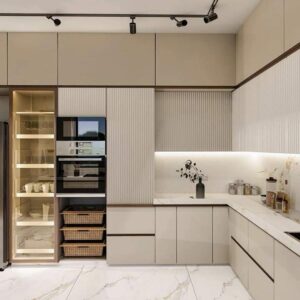
In today’s design landscape, sustainability is no longer optional—it is a decisive factor in how kitchens are planned, built, and maintained. Homeowners in Bangalore and across India are increasingly evaluating materials not only for aesthetics and cost but also for long-term environmental impact. Among all available options, stainless steel kitchens stand out as one of the most eco-friendly and future-ready solutions.
This detailed guide explains the environmental benefits of stainless steel kitchen cabinets, why they outperform traditional wooden kitchens, and how choosing stainless steel contributes to a greener planet while delivering superior durability and hygiene.
Environmental Benefits of Stainless Steel Kitchen | Eco-Friendly Modular Kitchens Bangalore
What is a Stainless Steel Kitchen?
A stainless steel kitchen refers to modular kitchen systems where the carcass (internal structure), shutters, and accessories are made using stainless steel—typically Grade 304 stainless steel, known for its corrosion resistance, strength, and longevity.
Unlike plywood or MDF kitchens, stainless steel kitchens are:
-
100% recyclable
-
Termite-proof
-
Water-resistant
-
Non-toxic
-
Extremely durable (25+ years lifespan)
Why Sustainability Matters in Kitchen Design
Modern kitchens are high-use spaces. Materials used here undergo constant exposure to:
-
Heat
-
Moisture
-
Oils and chemicals
-
Cleaning agents
Traditional materials like wood, MDF, and particleboard degrade over time, leading to frequent replacements. This creates waste, deforestation, and higher carbon emissions.
Choosing sustainable materials like stainless steel helps reduce:
-
Environmental degradation
-
Landfill waste
-
Resource depletion
1. 100% Recyclable Material
One of the strongest environmental advantages of stainless steel is that it is fully recyclable without loss of quality.
Key Facts:
-
Stainless steel can be recycled repeatedly
-
Nearly 60–70% of new stainless steel products are made from recycled material
-
No degradation in strength or performance
Environmental Impact:
-
Reduces mining of raw materials
-
Minimizes landfill waste
-
Supports circular economy
Unlike wood or MDF cabinets, which often end up as waste after 10–15 years, stainless steel can be reused or repurposed indefinitely.
2. Long Lifespan Reduces Waste
A major environmental issue with traditional kitchens is frequent replacement cycles.
Comparison:
| Material | Average Lifespan | Replacement Frequency |
|---|---|---|
| MDF / Particle Board | 5–10 years | High |
| Plywood | 10–15 years | Moderate |
| Stainless Steel | 25+ years | Very Low |
Why This Matters:
-
Fewer replacements = less manufacturing impact
-
Reduced transportation emissions
-
Lower resource consumption
A stainless steel kitchen installed today can easily last decades without structural damage.
3. No Deforestation Impact
Wooden kitchens rely heavily on:
-
Timber
-
Plywood
-
Engineered wood
This contributes directly to deforestation, loss of biodiversity, and environmental imbalance.
Stainless Steel Advantage:
-
No trees are cut
-
No dependency on forest resources
-
Supports eco-conscious construction
By choosing stainless steel, homeowners actively reduce demand for wood-based products.
4. Chemical-Free and Non-Toxic
Traditional kitchen materials often involve:
-
Formaldehyde (in MDF/plywood)
-
Adhesives and resins
-
Chemical laminates
These materials release volatile organic compounds (VOCs), which can harm indoor air quality.
Stainless Steel Kitchens:
-
Do not emit VOCs
-
Are non-toxic and food-safe
-
Improve indoor air quality
This is particularly important for families with children, elderly members, or individuals with respiratory sensitivities.
5. Water Resistance Prevents Material Degradation
Indian kitchens face significant exposure to:
-
Humidity
-
Water spills
-
Cleaning processes
Wood-based kitchens absorb moisture, leading to:
-
Swelling
-
Warping
-
Mold growth
Environmental Consequence:
Damaged cabinets are discarded and replaced, increasing waste.
Stainless Steel Solution:
-
Completely water-resistant
-
No swelling or damage
-
No mold formation
This durability reduces the need for replacements, minimizing environmental impact.
6. Termite and Pest Resistance
Wooden kitchens are vulnerable to:
-
Termites
-
Borers
-
Rodents
This leads to structural damage and eventual disposal.
Stainless Steel Benefits:
-
100% termite-proof
-
No pest infestation
-
Long-term structural integrity
Reducing pest damage means fewer repairs and replacements, contributing to sustainability.
7. Energy-Efficient Manufacturing (Long-Term Impact)
While stainless steel production requires energy, its long lifecycle offsets initial environmental costs.
Lifecycle Advantage:
-
One-time installation
-
Minimal maintenance
-
No frequent replacements
Compared to wooden kitchens that require multiple replacements over time, stainless steel proves more energy-efficient in the long run.
8. Low Maintenance Reduces Resource Use
Traditional kitchens require:
-
Polishing
-
Chemical cleaning agents
-
Repairs and refinishing
Stainless Steel Kitchens:
-
Easy to clean with minimal water
-
No polishing required
-
Resistant to stains and corrosion
Environmental Benefit:
-
Reduced use of chemicals
-
Lower water consumption
-
Minimal maintenance resources
9. Hygienic and Food-Safe Surface
Stainless steel is widely used in:
-
Commercial kitchens
-
Hospitals
-
Food processing units
Why It Matters:
-
Non-porous surface
-
Does not absorb bacteria
-
Easy sanitation
A hygienic kitchen reduces health risks and eliminates the need for aggressive chemical cleaners.
10. Fire Resistance for Safer Homes
Kitchens are high-risk areas for fire hazards.
Wooden Kitchens:
-
Highly flammable
-
Can accelerate fire spread
Stainless Steel Kitchens:
-
Fire-resistant
-
Do not emit toxic fumes when exposed to heat
This enhances safety while reducing environmental damage caused by fire incidents.
11. Reduced Carbon Footprint Over Time
Although initial production involves energy, stainless steel kitchens have a lower overall carbon footprint due to:
-
Longevity
-
Recyclability
-
Minimal maintenance
Lifecycle Carbon Comparison:
| Factor | Wooden Kitchen | Stainless Steel Kitchen |
|---|---|---|
| Lifespan | Short | Long |
| Replacement | Frequent | Rare |
| Waste | High | Minimal |
| Recycling | Limited | 100% |
12. Ideal for Sustainable Urban Living in Bangalore
Cities like Bangalore face challenges such as:
-
High humidity
-
Space constraints
-
Growing environmental concerns
Stainless steel kitchens are ideal because they:
-
Withstand weather conditions
-
Require less maintenance
-
Align with eco-conscious urban lifestyles
Stainless Steel vs Wooden Kitchen: Environmental Comparison
| Feature | Wooden Kitchen | Stainless Steel Kitchen |
|---|---|---|
| Eco-Friendly | Moderate | High |
| Recyclability | Low | 100% |
| Lifespan | 10–15 years | 25+ years |
| Maintenance | High | Low |
| Termite Resistance | No | Yes |
| Water Resistance | No | Yes |
| VOC Emissions | Yes | No |
Common Myths About Stainless Steel Kitchens
Myth 1: Stainless Steel is Not Eco-Friendly
Reality: It is one of the most recyclable and sustainable materials available.
Myth 2: It Looks Too Industrial
Reality: Modern designs include matte finishes, color coatings, and glass shutters for a premium residential look.
Myth 3: High Initial Cost
Reality: While upfront cost may be higher, long-term savings and durability make it cost-effective.
Cost vs Environmental Value
When evaluating kitchen materials, focusing only on initial cost is misleading.
Stainless Steel Kitchens Offer:
-
Lower lifecycle cost
-
Zero replacement cost for decades
-
Minimal maintenance expenses
Environmental ROI:
-
Reduced waste generation
-
Lower resource consumption
-
Sustainable long-term solution
Why Choose Karvi Interio for Stainless Steel Kitchens?
At Karvi Interio, the focus is on delivering high-quality stainless steel modular kitchens designed for durability, sustainability, and modern aesthetics.
Key Offerings:
-
Stainless Steel 304 carcass
-
Custom modular designs
-
Premium finishes (glass, matte, PU-coated)
-
Complete kitchen solutions
Expertise:
-
Residential kitchens
-
Commercial kitchens
-
Renovation projects
Karvi Interio ensures every kitchen is designed to be long-lasting, hygienic, and environmentally responsible.
How to Make Your Kitchen More Eco-Friendly
Even beyond material choice, you can enhance sustainability by:
-
Using energy-efficient appliances
-
Installing LED lighting
-
Reducing water wastage
-
Choosing recyclable materials
-
Avoiding toxic finishes
Combining these practices with a stainless steel kitchen creates a truly sustainable home.
Future of Kitchens: Sustainable and Smart
The future of kitchen design is moving toward:
-
Eco-friendly materials
-
Smart storage solutions
-
Minimal maintenance
-
Long-lasting construction
Stainless steel kitchens align perfectly with these trends, making them a future-proof investment.
Conclusion
The environmental benefits of stainless steel kitchens are clear and substantial. From 100% recyclability and long lifespan to zero toxicity and minimal maintenance, stainless steel offers a superior alternative to traditional kitchen materials.
For homeowners looking to build a sustainable, durable, and modern kitchen, stainless steel is not just an option—it is the best long-term solution.
Choosing a stainless steel kitchen means:
-
Reducing environmental impact
-
Saving costs over time
-
Ensuring a healthier living space
FAQ
1. Are stainless steel kitchens environmentally friendly?
Yes, they are 100% recyclable, long-lasting, and reduce waste compared to wooden kitchens.
2. How long do stainless steel kitchen cabinets last?
They can last over 25 years with minimal maintenance.
3. Do stainless steel kitchens reduce deforestation?
Yes, they eliminate the need for wood, reducing demand for timber.
4. Are stainless steel kitchens safe for health?
Yes, they are non-toxic and do not emit harmful chemicals.
5. Is stainless steel better than plywood for kitchens?
Yes, in terms of durability, hygiene, and sustainability.
6. Do stainless steel kitchens require maintenance?
Very minimal—simple cleaning is enough.
7. Are stainless steel kitchens waterproof?
Yes, they are completely resistant to water and moisture.
8. Can stainless steel kitchens be recycled?
Yes, they are fully recyclable without losing quality.
9. Are stainless steel kitchens expensive?
They may have higher upfront cost but lower long-term cost.
10. Why choose stainless steel kitchens in Bangalore?
They perform better in humid conditions and last longer.
Ready to explore a Basic Range of Wood, an Affordable range of galvanized steel and Premium stainless steel kitchen cabinets in Bangalore, kitchen interior & wardrobe solutions for your space? with different combination shutters complete home interiors in steel with Stainless Steel PVD Furniture Contact Karvi Interio today for personalized consultations and expert design services. Visit our website to discover the efficiency and durability of stainless steel wardrobes tailored to your needs. Construction for interior products Gauge, visit our YouTube channel for information videos, Before visiting the showroom some of the steps to follow, Looking for Collaboration with US, About warranty & guarantee, Transform your storage spaces with Karvi Interio’s expertise!